
 English
 Pусский
 Indonesia
 Tiếng Việt
rodillo de molino
Mill Rolls: Essential Components in Metal Rolling Processes Mill rolls are critical components used in metal rolling mills to shape, reduce thickness, and improve the surface quality of metal products such as sheets, plates, bars, and structural sections. These rolls endure extreme mechanical and thermal stresses during operation, making their material composition, design, and maintenance vital for performance and longevity. Types of Mill Rolls Mill rolls are categorized based on their position in the rolling mill and the specific rolling process: 1. Work Rolls – Directly contact the metal, applying pressure to deform it. They are typically smaller in diameter and require high hardness and wear resistance. 2. Backup Rolls – Support work rolls to prevent deflection under heavy loads. They are larger and made from tougher materials to withstand high bending forces. 3. Intermediate Rolls – Used in some tandem mills to improve thickness control and surface finish. Materials and Manufacturing Mill rolls are made from various materials depending on application requirements: - Cast Iron Rolls – Used in hot rolling for their thermal resistance and durability. - Forged Steel Rolls – Preferred for cold rolling due to high strength and fatigue resistance. - Tungsten Carbide Rolls – Employed in high-precision rolling for exceptional wear resistance. - Composite Rolls – Combine different materials (e.g., hardened outer layer with a tough core) to optimize performance. Manufacturing involves casting, forging, heat treatment, and precision machining to achieve the required hardness, surface finish, and dimensional accuracy. Key Performance Factors - Wear Resistance – Critical for maintaining consistent product quality over long production runs. - Thermal Stability – Essential in hot rolling to prevent thermal cracking. - Surface Finish – Directly impacts the final product’s appearance and mechanical properties. - Fatigue Resistance – Determines roll lifespan under cyclic loading. Maintenance and Reconditioning Regular grinding, balancing, and inspections are necessary to extend roll life. Damaged rolls can often be reconditioned through machining or heat treatment. Applications Mill rolls are used in: - Hot Rolling Mills – For slabs, plates, and structural shapes. - Cold Rolling Mills – For thin sheets and high-precision strips. - Specialty Rolling – Such as foil rolling or profile rolling. Conclusion Mill rolls are indispensable in metal processing, influencing productivity, product quality, and operational costs. Advances in materials and manufacturing continue to enhance their performance, ensuring efficiency in modern rolling operations. Proper selection, maintenance, and innovation in roll technology remain key to optimizing rolling mill performance.
Producto
Categoría:
-
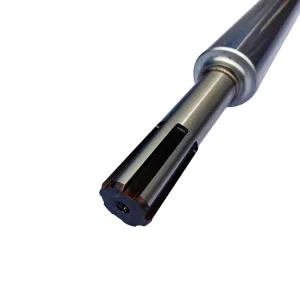
rollo de trabajo
Su clasificación: Rodillo alisadorVistas: 44Número:Tiempo de liberación: 2025-08-26 09:34:03El rodillo de trabajo está hecho de materiales de alta resistencia como acero aleado, carburo de tungsteno o cerámica, que tienen excelente resistencia al desgaste, resistencia a la compresión y resistencia a la corrosión. La función principal es dar forma, enrollar, recubrir o pulir materiales mediante rotación y presión para satisfacer las necesidades de los diferentes procesos de producción.
Noticias
Categoría:
¡Sin resultados de búsqueda!
Caso
Categoría:
¡Sin resultados de búsqueda!
Video
Categoría:
¡Sin resultados de búsqueda!
Descargar
Categoría:
¡Sin resultados de búsqueda!
Reclutamiento
Categoría:
¡Sin resultados de búsqueda!
Productos recomendados
-
NEWS
rollo de trabajo
Conozca más

 Persona de contacto: Sr. Wu
 Teléfono: +86 18602539156
 Correo electrónico: wuqi231138@126.com