
 English
 Pусский
 Indonesia
 Tiếng Việt
rodillo de trabajo del molino
Mill Work Rolls: Essential Components in Metal Rolling Processes Mill work rolls are critical components in metal rolling mills, playing a pivotal role in shaping and reducing the thickness of metal sheets, strips, or plates. These rolls are subjected to extreme mechanical, thermal, and chemical stresses during operation, making their design, material selection, and maintenance crucial for ensuring efficiency, product quality, and operational longevity. Function and Importance Work rolls are the primary tools in rolling mills, directly contacting the metal to deform it through compressive forces. They are used in various rolling processes, including hot rolling, cold rolling, and temper rolling, each requiring specific roll properties. In hot rolling, work rolls must withstand high temperatures (up to 1,200°C) and rapid thermal cycling, while cold rolling demands high hardness and wear resistance to maintain precise dimensional tolerances and surface finish. Material and Manufacturing Work rolls are typically made from high-grade materials such as forged steel, cast iron, or composite materials like tungsten carbide. The choice depends on the application: - Forged steel rolls offer high strength and toughness, suitable for heavy-duty hot rolling. - Indefinite chilled cast iron (ICDP) rolls provide excellent wear resistance for cold rolling. - Tungsten carbide rolls are used in high-precision applications due to their exceptional hardness. Advanced manufacturing techniques, including centrifugal casting, spray deposition, and heat treatment, enhance the rolls' microstructure, improving fatigue resistance and durability. Challenges and Maintenance Work rolls face wear, thermal cracking, spalling, and oxidation, which degrade performance over time. Regular maintenance, including grinding, reprofiling, and recoating, extends their service life. Modern mills employ predictive maintenance systems to monitor roll conditions, minimizing unplanned downtime. Innovations and Future Trends Recent advancements focus on developing rolls with superior materials (e.g., nanostructured alloys), advanced coatings (e.g., ceramic or diamond-like carbon), and smart rolls embedded with sensors for real-time monitoring. These innovations aim to enhance efficiency, reduce energy consumption, and improve product quality. Conclusion Mill work rolls are indispensable in metal rolling, directly influencing productivity and product quality. Continuous improvements in materials, design, and maintenance ensure they meet the evolving demands of modern rolling processes, supporting industries ranging from automotive to aerospace. Their reliability and performance remain key to the success of metal manufacturing operations worldwide.
Producto
Categoría:
-
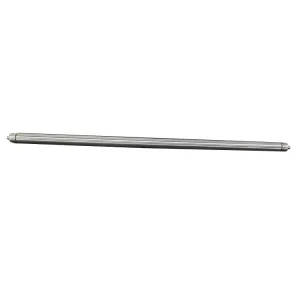
rodillo de trabajo de molino
Su clasificación: Rodillo alisadorVistas: 42Número:Tiempo de liberación: 2025-08-25 15:55:45El rodillo de trabajo es un componente clave indispensable en equipos industriales, ampliamente utilizado en industrias como la del acero, la metalurgia, la fabricación de papel y el procesamiento de plástico. Utilizado principalmente en laminado, laminado, recubrimiento y otros procesos, entra en contacto directamente con la superficie de los materiales y realiza tareas importantes como transmitir presión, controlar la forma y la calidad de la superficie.
Noticias
Categoría:
-
[Industry news]¿Cuál es la diferencia entre los rodillos de trabajo y los r...
2025-08-15 14:15:59
Caso
Categoría:
¡Sin resultados de búsqueda!
Video
Categoría:
¡Sin resultados de búsqueda!
Descargar
Categoría:
¡Sin resultados de búsqueda!
Reclutamiento
Categoría:
¡Sin resultados de búsqueda!
Productos recomendados
¡Sin resultados de búsqueda!

 Persona de contacto: Sr. Wu
 Teléfono: +86 18602539156
 Correo electrónico: wuqi231138@126.com